
Architecture notes
Inverted, standard planetary, micro, or custom component path with the main packaging trade-offs stated clearly.
Access the technical data needed to achieve Spec Lock on your actuator project.
We provide comprehensive engineering support from the concept phase through mass production. Below you can request our 3D CAD libraries, sizing guidelines, and detailed product catalogs to accelerate your design cycle.
Request STEP and IGES files for standard and inverted planetary roller screws to import directly into SolidWorks, NX, or AutoCAD.
Request CADDetailed technical specifications, load ratings, inertia values, and dimension tables for our complete linear motion lineup.
Request CatalogWhitepapers and technical notes covering lubrication selection, critical speed calculation, and column buckling analysis.
Contact EngineeringEstimate the required Static Load Rating (C0) and optimal thread lead for bipedal robotic joints based on impact dynamics.
Typical biped ranges from 30kg to 100kg.
Running or jumping incurs 4x to 8x body weight forces.
Peak Joint Force (Transient)
2,354 N
Target Static Load Rating (C0)
3,531 N
Includes 1.5x structural safety factor.
Recommended Thread Lead
4-5mm
Balances back-drivability (impedance control) with motor holding torque.
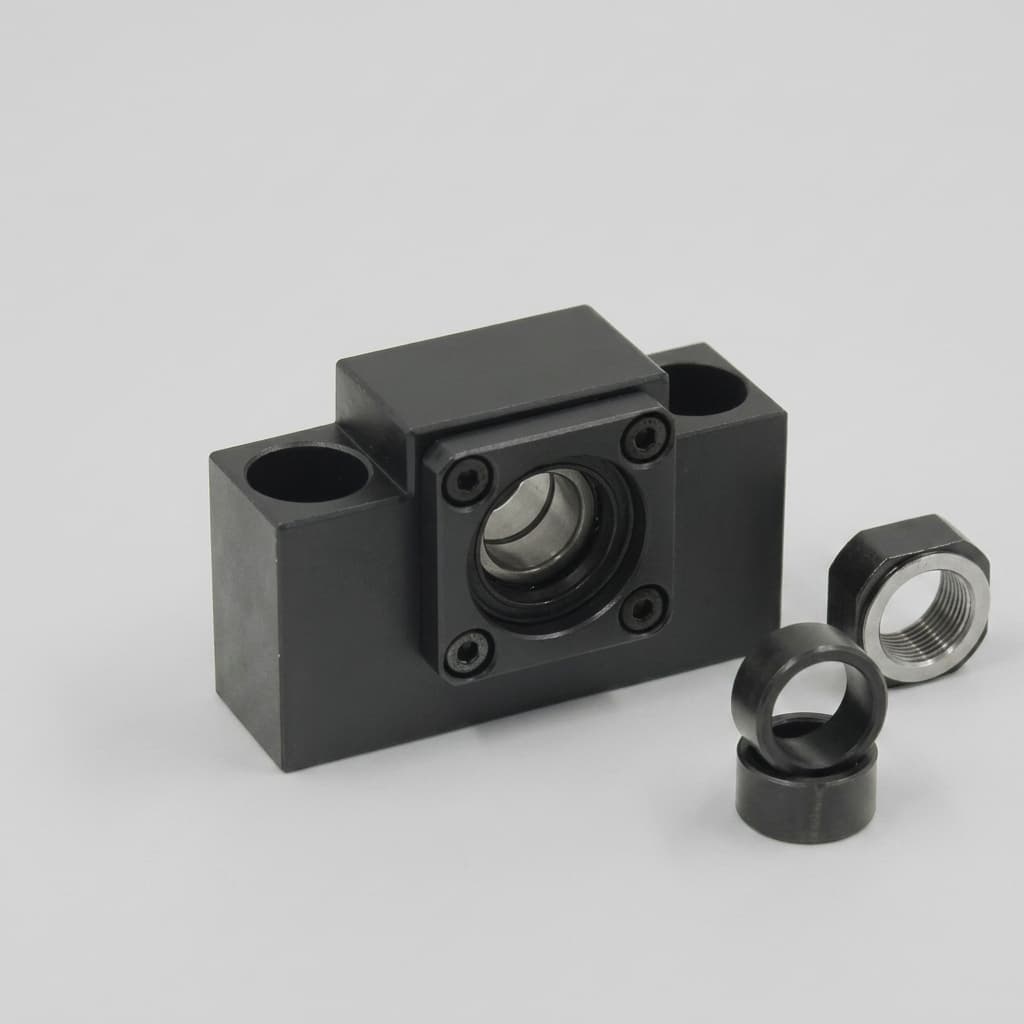
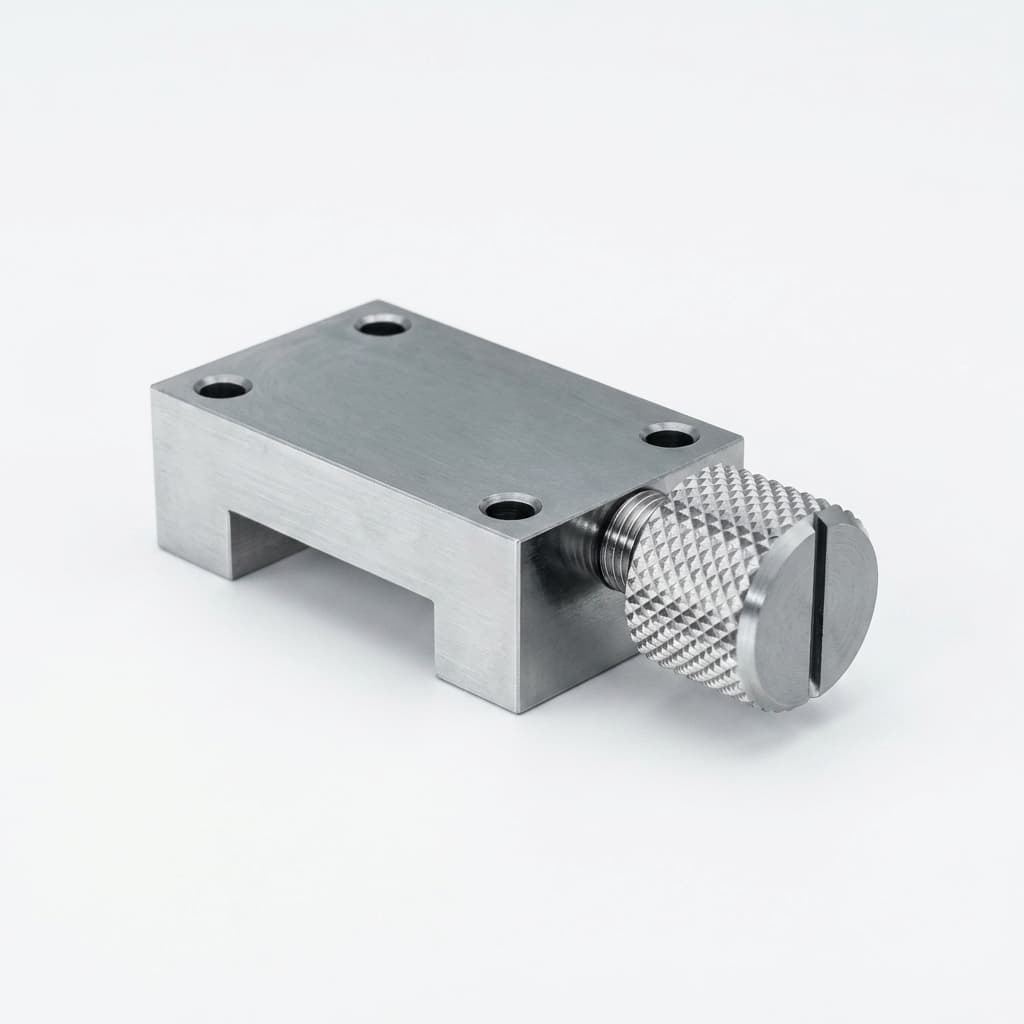
Start with the actuator problem, not the product name. The table below helps engineering and procurement teams decide which path deserves a detailed DFM review.
| Design Constraint | Recommended Path | Validate First | Common Mistake |
|---|---|---|---|
| Short axial envelope, motor integrated around screw | Inverted planetary roller screw | Nut length, bearing span, rotor interface, heat path, and preload target. | Comparing screw length without including bearings, encoder, seals, and push-tube interfaces. |
| High-force open-axis or electric-cylinder layout | Standard planetary roller screw | Equivalent mean load, speed, stroke, lubrication interval, and mounting stiffness. | Selecting from peak thrust alone and ignoring duty cycle or thermal limits. |
| Robotic finger, gripper, or medical micro package | Micro inverted roller screw | OD, stroke, torque, noise, cleanliness, corrosion, and assembly handling. | Treating a miniature screw as a scaled-down industrial screw without validating friction torque. |
| Proprietary geometry or unavailable catalog size | Custom roller screw manufacturing | Drawing revision, CTQ list, material, heat treatment, inspection scope, and sample acceptance criteria. | Asking for price before freezing the drawing baseline and required release documents. |
| Input | What to Send | Engineering Decision |
|---|---|---|
| Architecture and envelope | Inverted, standard planetary, micro, or actuator screw set; OD, stroke, total length, nut length, and shaft ends. | Confirms whether compact RVI, standard RV, or a custom set is the right route. |
| Load and motion profile | Peak/static/dynamic force, speed, acceleration, duty cycle, life expectation, and shock-load assumptions. | Drives lead, diameter, preload, material, and lubricant choices. |
| Precision target | Backlash or preload target, stiffness, positioning accuracy, repeatability, lead class, and torque limits. | Defines inspection method and sample acceptance evidence. |
| Program context | Drawing/STEP/sample status, prototype or batch quantity, destination, delivery target, and document requirements. | Aligns quote, lead time, and export documentation with the buyer approval process. |
| Parameter | What It Controls | Useful Buyer Input | Output to Expect |
|---|---|---|---|
| Lead | Speed, motor torque, thrust, back-drivability, and holding behavior. | Desired speed, force target, motor torque limit, and force-control need. | Lead recommendation with trade-offs, not only a catalog pitch. |
| Preload / backlash | Reversal behavior, stiffness, positioning repeatability, friction, heat, and service life. | Allowable axial play, reversal test method, stiffness goal, and torque limit. | Sample acceptance target and measurement method. |
| Dynamic/static load | Screw size, fatigue life, shock margin, material, and heat treatment. | Peak force, equivalent mean load, speed, duty cycle, shock factor, and life target. | Load/life review and risk notes for oversizing or undersizing. |
| Material and coating | Hardness, corrosion, wear, distortion risk, cleanliness, and compliance documents. | Alloy preference, environment, lubricant, coating restrictions, and traceability needs. | Material route, heat-treatment notes, and document package scope. |
Inverted, standard planetary, micro, or custom component path with the main packaging trade-offs stated clearly.
Long nut grinding, heat-treatment distortion, preload, lubrication, inspection access, and assembly concerns.
CTQ dimensions, pass/fail checks, document package, delivery assumptions, and open items before prototype PO.
To ensure a rapid and accurate Design for Manufacturability (DFM) review, please prepare the following information before contacting our team:
Inquiry Email
Include target OD, lead, stroke, load, quantity, and delivery country.
WhatsApp Engineering
+8618857971991
Best for quick RFQ clarification and drawing-review coordination.